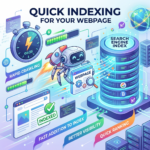
Getting your website indexed quickly by search engines can make the difference between immediate visibility and waiting weeks for your content to appear in search results. Quick indexing ensures your web pages become discoverable to potential visitors as soon as possible, driving organic traffic and improving your overall SEO performance.
Understanding how search engines work is crucial for accelerating the indexing process. When you publish new content, crawlers need to discover, analyze, and add your pages to their massive databases. This process typically happens automatically, but there are proven strategies to speed things up significantly.
The relationship between crawling and indexing directly impacts how fast your website appears in SERP listings. While you cannot force Google or other search engines to index your content instantly, implementing the right techniques can reduce waiting times from weeks to just hours or days.
Understanding Search Engine Indexing Fundamentals
How Search Engines Discover and Process Content
Search engines use sophisticated crawlers, also known as spiders, to systematically browse the internet and discover new web pages. These automated programs follow links from one page to another, collecting information about your website’s structure, content quality, and relevance. The crawling process serves as the foundation for all subsequent indexing activities.
When crawlers visit your website, they analyze various elements including meta tags, heading structures, internal linking patterns, and overall content quality. This initial assessment determines whether your pages deserve inclusion in search results and how quickly they should be processed. High-quality content with proper optimization signals gets prioritized during this evaluation phase.
The technical infrastructure of your website plays a significant role in crawler accessibility. Factors like page speed, mobile optimization, and clean URL structures influence how efficiently search engines can process your content. Websites that load quickly and provide excellent user experiences typically see faster indexing times compared to slower, poorly optimized sites.
| Indexing Factor | Impact Level | Typical Timeline |
|---|---|---|
| Fresh, original content | High | 1-3 days |
| Updated existing pages | Medium | 3-7 days |
| New website launch | Variable | 1-4 weeks |
| Pages with strong backlinks | High | 1-2 days |
The Role of Website Authority and Trust Signals
Established websites with strong domain authority typically experience faster indexing compared to newer sites. Search engines have developed trust metrics that influence how quickly they process content from different sources. Sites with consistent publishing schedules, quality backlinks, and positive user engagement signals receive preferential treatment during the indexing process.
Building website credibility requires consistent effort across multiple areas. Regular content updates, proper technical SEO implementation, and natural link building all contribute to establishing trust with search engines. This trust translates directly into faster discovery and indexing of new content you publish.
The age and history of your domain also impact indexing speed. Newer websites often face a temporary delay while search engines evaluate their legitimacy and content quality. However, following best practices from the beginning can significantly reduce this initial waiting period and establish faster indexing patterns for future content.
Technical Optimization Strategies for Faster Indexing
Sitemap Implementation and Submission
Creating and submitting a comprehensive sitemap represents one of the most effective methods for accelerating the indexing process. XML sitemaps provide search engines with a roadmap of your website’s structure, highlighting important pages and indicating when content was last updated. This direct communication channel eliminates guesswork and helps crawlers prioritize their efforts.
Search Console tools from major search engines offer sitemap submission features that streamline this process. After uploading your sitemap, you can monitor indexing progress and identify potential issues that might slow down the process. Regular sitemap updates ensure search engines stay informed about new content and structural changes to your website.
Dynamic sitemap generation works particularly well for websites that publish content frequently. Automated systems can update your sitemap immediately after publishing new pages, triggering faster discovery by search engine crawlers. This approach works especially well for blogs, news sites, and e-commerce platforms with regularly changing inventory.
Robots.txt Configuration and Crawler Guidance
Proper robots.txt configuration helps search engines understand which parts of your website should receive crawling priority. By blocking access to unimportant sections like admin areas or duplicate content, you can direct crawler resources toward your most valuable pages. This focused approach often results in faster indexing of priority content.
The robots.txt file should include clear directives about sitemap locations and crawling permissions. Strategic use of crawl directives can significantly improve indexing efficiency by preventing crawlers from wasting time on low-value pages. However, incorrect robots.txt configuration can accidentally block important content, so careful testing is essential.
Regular auditing of your robots.txt file ensures it remains aligned with your website’s current structure and SEO goals. As your site evolves, updating these directives helps maintain optimal crawler behavior and supports consistent indexing performance across all important pages.
Content and URL Optimization Techniques
Publishing high-quality, original content remains the most reliable way to achieve quick indexing. Search engines prioritize unique, valuable information that serves user needs effectively. Content that demonstrates expertise, authority, and trustworthiness typically gets indexed faster than thin or duplicate material.
URL structure optimization contributes significantly to indexing speed and overall SEO performance. Clean, descriptive URLs that include relevant keywords help search engines understand page content before crawling begins. Avoiding complex parameter strings and maintaining consistent URL patterns supports efficient crawler navigation throughout your website.
Internal linking strategies can dramatically accelerate the discovery of new content. When you publish fresh pages, linking to them from established, frequently crawled pages helps search engines find and index the new content quickly. Strategic internal linking creates pathways that guide crawlers to your most important content while distributing authority throughout your site.
Content freshness signals also influence indexing priority. Regular updates to existing pages, combined with consistent publication of new content, establish patterns that search engines recognize and respond to favorably. Websites that maintain active publishing schedules often see their new content indexed within hours rather than days.
Advanced Indexing Acceleration Methods
URL submission tools provided by search engines offer direct methods for requesting immediate indexing of specific pages. Google Search Console’s URL inspection tool allows you to submit individual URLs for crawling, which can result in indexing within minutes or hours. This approach works particularly well for time-sensitive content or important page updates.
Social media promotion and external linking can trigger faster indexing through increased visibility and crawler activity. When your content gets shared across social platforms or linked from other websites, it creates additional pathways for search engine discovery. These external signals often prompt more frequent crawling of your website.
Fetch and render tools help identify technical issues that might prevent proper indexing. By testing how search engines view your pages, you can identify and resolve problems like JavaScript rendering issues, blocked resources, or crawling errors that slow down the indexing process.
Building relationships with other website owners in your industry can lead to natural backlinks that accelerate indexing. When established websites link to your content, it signals value and relevance to search engines, often resulting in faster discovery and indexing of the linked pages.
Cache management and server optimization ensure your website responds quickly when crawlers visit. Fast-loading pages get crawled more efficiently, leading to quicker indexing and better overall search engine performance. Regular monitoring of page speed metrics helps maintain optimal crawler accessibility.
The implementation of canonical tags prevents duplicate content issues that can slow down indexing. By clearly indicating the preferred version of similar pages, you help search engines focus their crawling efforts on the most important content, resulting in more efficient indexing processes.
Mobile optimization has become increasingly important for indexing speed, as search engines now prioritize mobile-friendly content. Websites that provide excellent mobile experiences typically see faster indexing and better search rankings compared to sites that haven’t adapted to mobile-first indexing approaches.
Monitoring organic traffic patterns and search results performance provides valuable insights into indexing effectiveness. Regular analysis of these metrics helps identify successful strategies and areas that need improvement, supporting continuous optimization of your indexing acceleration efforts.
Understanding the relationship between different SEO elements and their impact on indexing speed enables more strategic optimization decisions. By focusing on the factors that provide the greatest indexing benefits, you can achieve faster results while building long-term search engine visibility and authority.
Frequently Asked Questions
How long does it typically take for new pages to get indexed? New pages on established websites usually get indexed within one to seven days, while pages on newer websites may take several weeks. The timeline depends on factors like website authority, content quality, and technical optimization. Using URL submission tools and maintaining an updated sitemap can significantly reduce these timeframes.
Can I guarantee that my content will be indexed quickly? While you cannot guarantee instant indexing, following best practices dramatically improves your chances of faster inclusion in search results. Focus on creating high-quality content, maintaining proper technical SEO, and using available submission tools to maximize your indexing speed potential.
What should I do if my pages aren’t getting indexed at all? Check your robots.txt file for blocking directives, ensure your sitemap is properly submitted, and verify that your pages are accessible to crawlers. Technical issues like server errors, JavaScript problems, or crawling restrictions often prevent indexing entirely.
Does social media sharing help with indexing speed? Social media sharing can indirectly accelerate indexing by increasing visibility and potentially generating backlinks. While social signals aren’t direct ranking factors, the increased attention often leads to more crawler activity and faster discovery of your content.
How often should I submit URLs for indexing? Submit URLs sparingly and only for important, time-sensitive content or significant page updates. Overusing submission tools can be counterproductive, so focus on your most valuable pages and let normal crawling handle routine content discovery.